Eating is one of the most pleasurable activities we engage in on a daily basis. We all have our preferred foods, drinks, and snacks, and each one of these speaks highly to the point of how much we love eating. This is quite normal since food, as one of our primary survival needs, is essential to keep us healthy and fit, and to give us the energy to sustain us in our daily undertakings.
After all, one should not forget that poor eating habits have detrimental effects on daily lives and overall health. In order for disease prevention to be achieved, one should have appropriate and unbiased information with regard to nutrition. Diseases such as obesity could be kept under control using the appropriate methodologies of fat burning and reduction of weight. In following this direction, the idea of food and its components and especially fat is of great importance.
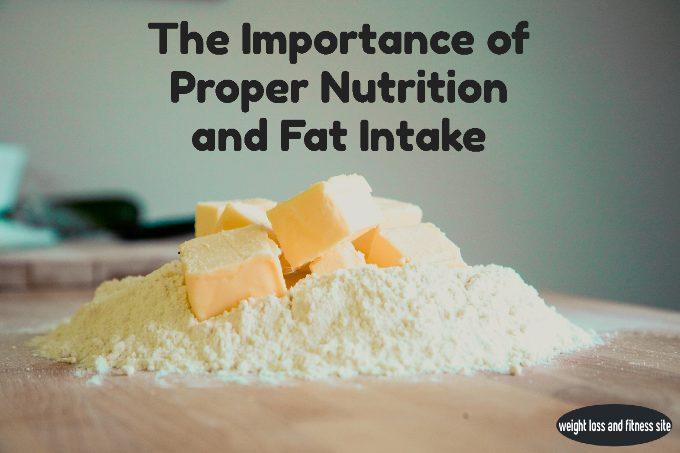
One of the most usual nutrition myths is that all fats are bad for health. This may be thought of as a myth which should be debunked. Fats are deposited in the body to supply energy. Whenever the body does not use immediately the food energy that we ingest, it continually converts the energy into fat, to be utilized when needed.
Besides, food fats have a number of vital functions in the human organism: they serve as a source of energy, they protect organs and bones by cushioning them, they take part in hormone production, and they regulate blood pressure. The skin, hair, and nails also depend on this component for their maintenance. Therefore, it’s not worth completely excluding fats from your nutrition. Nevertheless, excessive use of fats may provoke severe health disorders, such as heart diseases, obesity, or diabetes.
The varieties of fats in particular are very useful for informed dietary choices. Fats can be grouped into two broad categories: saturated fats, which are considered harmful to health, and unsaturated fats, considered healthier options.
Understanding Saturated Fats
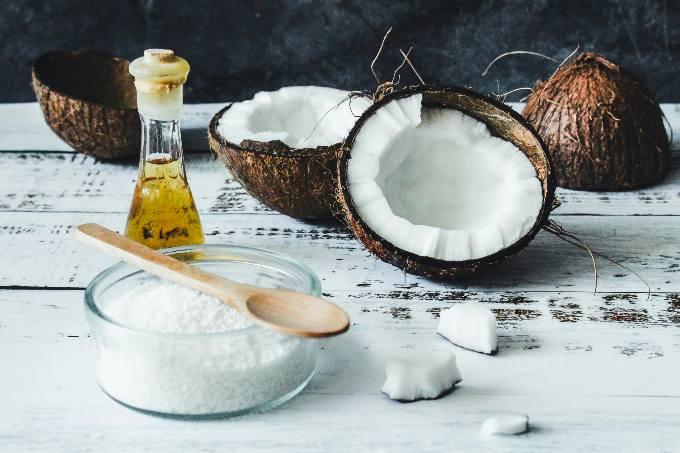
Ordinarily, saturated fats are those in a solid state at room temperature and qualified as the least healthy type of fat. These can also build up cholesterol within the blood, leading to such risks as blockage of arteries, which can eventually cause heart failure. Foods containing saturated fats include butter, cheese, margarine, shortening, and tropical oils, like coconut and palm oil, among others. Fats in the skin of meat and poultry are also saturated. It would be prudent to reduce some forms of fats in order to minimize the chances of health complications resulting from cardiovascular diseases (The Skinny on Fat, 2019).
Consumption of saturated fats should be checked since their dominance in our diet poses greater health threats. Those who intend to live healthily should cut back from consuming foods rich in saturated fat and try other healthier options available to them.
Switching to Unsaturated Fats
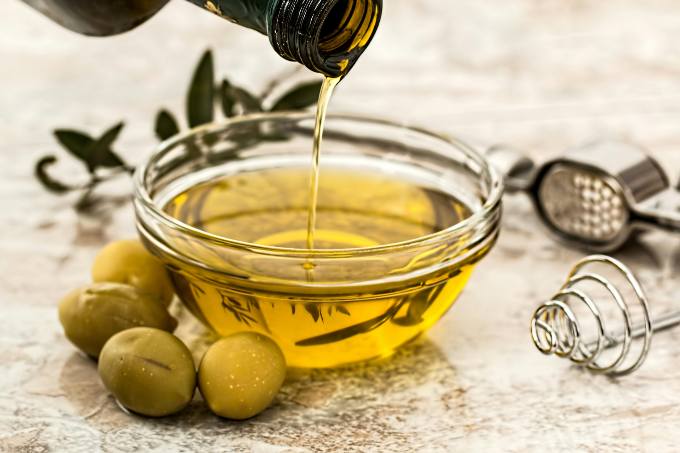
On the other hand, unsaturated fats lower blood cholesterol when they displace part or all of the saturated fats in one’s diet (Types of Fat, 2014). Unsaturated fats themselves are divided into monounsaturated fats and polyunsaturated fats. Monounsaturated fats have a salutary effect by increasing levels of high-density lipoprotein, a form of cholesterol known as “good” cholesterol which protects against heart attacks. It is, therefore, advisable that this type of fat be present in the diet in moderate amounts. The food sources with monounsaturated fats include olive oil, canola oil, and peanut oil.
While unsaturated fats are really healthier, it is important to emphasize that excessive intake of any fat-good or bad-can keep one from gaining additional weight. The operative word here is moderation. Try to keep your total fat intake at no more than 20% of your overall daily calories, if not less, especially if weight loss is in sight.
In other words, once you realize the value of nutrition and the type of fat intake you are consuming, better choices can begin to be made. It is here that the balance between enjoyment and health is met in our eating.
While there are some vital functions for fats in the diet, moderation in amounts and choices is of ultimate importance to maintain a healthy and enjoyable eating experience. While you know better what goes inside your body, you can eventually bring about better health and even help to prevent various forms of diseases.
References
The Skinny on Fat. (2019, February 28). NIH News in Health. https://newsinhealth.nih.gov/2019/03/skinny-fat
Types of Fat. (2014, June 9). The Nutrition Source. https://nutritionsource.hsph.harvard.edu/what-should-you-eat/fats-and-cholesterol/types-of-fat