
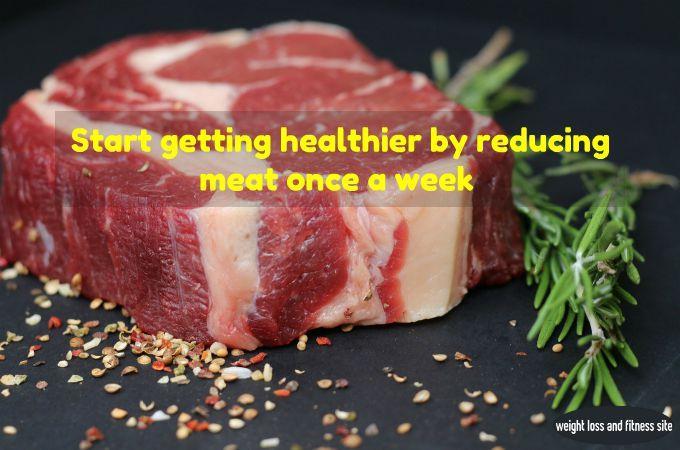
Many people can’t imagine a world without meat – steaks, grilled chicken breasts, veal. However, studies show that we’re eating too much of it. This means we’re eating more servings of protein than we should, which means we’re not being calorie-conscious in the least. We’re suffering from diseases and inflammations which our parents and grandparents didn’t suffer from.
So why not give meat a rest? For one day only out of the entire week. That’s not asking too much, especially if it means you’re doing it to enhance your health and development. It’s not a diet. It’s not setting up strict dietary guidelines. Because nothing in life is ever all-or-nothing, and you can believe that once you make rules for what to eat and what not to eat, you’ll break them almost immediately – it’s human nature. We can’t help ourselves.
Let’s just dive straight into the problem. When people think ‘meatless’ the first thing that crosses their mind is that they won’t get enough protein. That’s because our culture links protein solely with meat, chicken, and fish. But there are many plant-based foods that can provide you with ample amounts of protein. Plus, they contain fewer calories, and more fiber and nutrients.
“Most portions of meat are more than the actual protein requirement,” says Sally Warren, PhD, traditional naturopath at Metro Integrative Pharmacy. “A three-ounce serving of beef can be around 170 calories. But a portion of beans can be around 100 calories and tofu around 70 calories.” And over time, that adds up and you’ll quickly lose the weight without even realizing it (Sinrich, 2019).
Here are some examples:
• Beans
• Lentils
• Eggs
• Peas
• Unsalted nuts
• Seeds
• Peanut butter
Now that you know there are delicious substitutes, it may make it easier to go meatless for one day. But is it really worth all the hassle of letting go of what you know and love, and choosing new types of food you’ve only read about? That is a question only you can answer. But the real question you should be asking yourself is: what do I have to lose?
Read on to find out some benefits to reducing meat in your diet:
• Lower cholesterol levels (studies show that cholesterol levels can drop by up to 35%)
• Reduced risk of chronic diseases and inflammations, as heart disease, arthritis, gout, type-2 diabetes and certain types of cancer
• Lower levels of saturated fat
• Increased intake of nutrients, vitamins, minerals and fiber
• The weight will come off without any effort
• You’ll have a more balanced pH which means less diseases, lower stress levels and a boost in immunity
• A healthier microbiome (microorganisms, or the good bacteria that inhabit our bodies) which helps with proper digestion, keeps our immune system strong and on alert, as well as maintain the health of our gut tissue
• Clearer skin
• A Boost in metabolism
• Fueling up your energy levels
• Enhance how your genes work.
Just like boosting your intake of antioxidants can optimize how cells repair DNA damage, reducing meat intake can also help boost gene life and lengthen the edges found at the end of all our chromosomes (telomeres) which work at stabilizing our DNA and its functions.
The most important thing to keep in mind is to start small. If you try to do it all at once, you’ll give up quickly and get frustrated. Focus more on reducing red meat first, as opposed to lean meat as turkey and chicken which is healthier in comparison. And remember, no meal is ever perfect, so find what works for you and enjoy!
References
Sinrich, J. (2019, October 8). 10 Things That Happen to Your Body If You Stop Eating Red Meat. Retrieved from https://www.msn.com/en-ca/health/nutrition/10-things-that-happen-to-your-body-if-you-stop-eating-red-meat/ss-AAIsyLM?li=AAggV0S.
https://www.precisionnutrition.com/becoming-a-vegetarian-without-giving-up-meat
https://www.eatright.org/food/nutrition/vegetarian-and-special-diets/going-meatless-once-a-week
https://www.mayoclinic.org/healthy-lifestyle/nutrition-and-healthy-eating/in-depth/meatless-meals/art-20048193
https://www.sharecare.com/health/vegetarian-diets/article/things-happen-stop-eating-meat
https://www.ncbi.nlm.nih.gov/pubmed/19766762

