
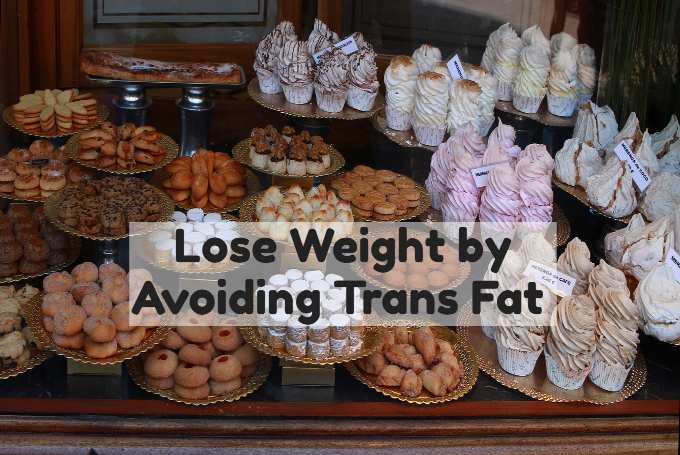
One of the easiest ways to lose weight is to avoid eating trans fat. While this is easier said than done, it is still the goal to consume as little of it as possible. Even foods labeled as “trans-free” contain other kinds of fat that increase the risk of heart disease. While trans-free foods are best, they may still have other types of fat in them, such as saturated fat. Avoid fried foods at all costs and cook your meals at home. Bake your own cakes and desserts instead of purchasing a prepackaged mix.
Trans fats are a type of unsaturated fatty acid
In general, trans fats aren’t harmful to your health, but you should still avoid them. Trans fats are typically found in commercially made pastries, pizza crusts, cookies, crackers, and some forms of stick margarine. To get rid of them, you should read the nutrition label of all foods. Also, be wary of foods labeled as “zero grams of trans fat” because they may contain other types of fat.
When eating out, try to get products with 0 g of trans fat per serving, or use other types of butter and margarine. Choose soft margarine in place of butter or hard stick forms of these ingredients. Look for labels that say “0 g trans fat per serving,” or “no hydrogenated oil” or “partially hydrogenated oil.”
They raise “bad” cholesterol
To prevent heart disease, you need to limit your intake of trans fats. These fats are found in partially hydrogenated vegetable oils, frying fats, and some animal and plant sources. A healthy diet can contain up to 35 percent fat, including polyunsaturated fat. However, trans fats can easily sneak their way into foods that do not contain them. Luckily, you can easily spot these foods in your diet by reading the labels.
Polyunsaturated and monounsaturated fats are good choices for your diet because they lower your LDL cholesterol and help your body fight against disease. You can swap fried fast food for salad and lean meat instead. Trans fats are found in many processed foods and can raise “bad” cholesterol levels in the blood. In addition to raising LDL cholesterol, trans fats lower HDL (good) cholesterol.
They lower “good” cholesterol
You should limit your trans fat intake to one percent of your daily calories, or around two grams per day. Food manufacturers are required by law to include trans fat information on their nutritional labels. This information is also available on supplements and in the ingredient list of processed foods. Reading food labels and counting the total fat per serving can help you monitor your trans fat intake. Trans fats are mostly found in deep-fried foods and are considered to be bad fats. Despite their relatively low amount in the diet, they are still harmful.
While natural trans fats are not a health concern if you eat lean meats and dairy products, the artificial trans fats that are used in fast food and packaged snacks are a real concern. Artificial trans fats are used widely in frying, baking, and icings. According to some experts, artificial trans fats are more dangerous than saturated fats.
They increase your risk for heart disease
While the average adult should limit their trans fat intake to less than 1% of their daily calorie intake, this can be difficult for some people. In addition to the hidden trans fats in processed foods, these substances are also found in many commercially packaged food items. These products may include frozen pizza and pies and ready-to-use frosting. These fats are not only bad for your health but also add up quickly.
However, the effects of saturated and trans fats on heart health are still controversial. The Harvard School of Public Health and Brigham and Women’s Hospital in Boston conducted a meta-analysis of a number of studies and found that both saturated fat and trans fat intake had a negative impact on health outcomes. The researchers emphasized that further research is needed to determine if trans fats increase your risk of heart disease. The researchers found that replacing 2% of your energy intake with unsaturated fats would decrease your risk of heart attack by one-third.
They cause weight gain
Whether you’re concerned about the health effects of trans fats or not is really a matter of personal preference. However, there are a number of foods that you can avoid because of their high amount of trans fat. In fact, some foods may even contain trans fats unknowingly. If you’re unsure about a product’s trans content, read the nutrition label. While some foods contain trans fat, there are fewer than you may think.
Trans fats can be found in many foods and are also found in partially hydrogenated vegetable oil. Trans fats are a type of fat that increases the levels of bad cholesterol while lowering HDL cholesterol. These fats are also linked to weight gain. Fortunately, you can limit the intake of these fats to less than one percent of your diet. By sticking to your recommended limits, you’ll be able to enjoy the taste of all your favorite foods while avoiding the harmful trans fats.

