

How to Get in Shape Fast With Compound Exercises
One of the best ways to get in shape quickly is to motivate yourself through exercise and to set a goal. Whether that goal is to burn fat or tone up muscles, achieving it should be a rewarding experience. If you are serious about getting into shape, a short workout can be just as effective as a long one. When it comes to getting into shape fast, it is better to focus on compound movements rather than isolation exercises. Setting a goal and rewarding yourself for meeting it will also motivate you to continue the journey.
Compound movements are better for getting in shape
Do you do compound movements? If you do, you’ll benefit from more cardiovascular benefits. Compound exercises require more muscle tissue, which requires the heart to pump harder, providing additional cardiovascular benefits. Plus, they’re more functional, helping you move easier in your day-to-day life. You can also lift more weight in isolation thanks to all-over strength. Whether you’re working out for muscle definition or to get into shape, compound exercises are the way to go.
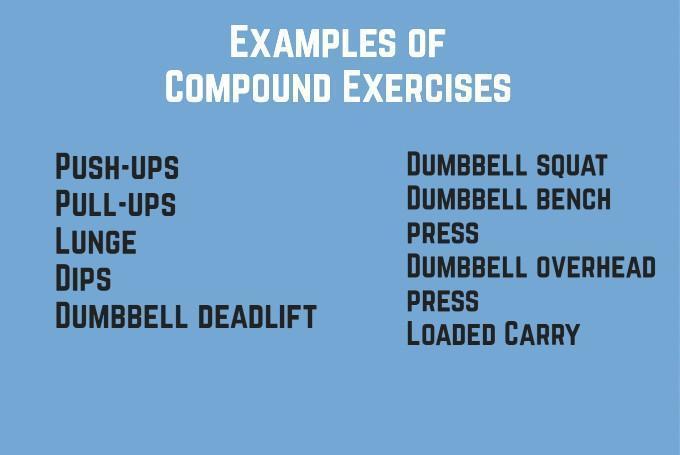
For beginners, the best way to start with compound exercises is to do one set of eight to 12 reps. Focus on making the last few reps of each set challenging, but avoid sacrificing form. Compound movements are also a good choice for those who don’t have a lot of time to train or who want to reap maximum benefits from their workouts. As long as you do them properly, compound exercises will help you get in shape faster and burn more calories than single exercise routines.
Compound exercises work several muscles at the same time. They build lean muscle mass and require more energy because more muscles are being worked. In addition, they are more efficient because more parts of the body are involved. As a result, they’ll burn more calories and increase overall performance. Besides these benefits, compound movements are better for getting in shape than single-joint exercises. They’re also more fun!
Compared to isolation exercises, compound exercises involve more muscles. Compound exercises require more practice and require more weight. Unlike single-joint exercises, compound movements require more repetitions and training sessions. And while isolation exercises can be learned in one session, compound exercises require more time and repetition. The added effort, however, will pay off in the long run. When it comes to muscle building, compound exercises are the way to go.
Another key point is to avoid overusing isolated exercises. While they can be effective for specific muscle groups, isolation exercises should only be done infrequently. Isolation exercises are often used to bring up lagging parts of the body. The downside to isolation exercises is that they take up valuable time from compound exercises. The benefits of compound exercises far outweigh any cons. You’ll feel stronger after doing these exercises!
Dumbbell Squat example
Loaded Carry example
Short workouts can be just as effective as longer workouts
While many people are reluctant to give up their treadmills or exercise bikes for shorter sessions, there are some advantages to doing more intense exercises in less time. High-intensity workouts such as jogging, stationary cycling, and walking are great choices for a quick fix. Boost your metabolism by gradually increasing the distance you run, and you’ll soon find that shorter workouts can be just as effective.
Fitness experts believe that short workouts are just as effective as longer ones. Short workouts require just 10 minutes and still produce great results, says fitness expert Michael Foy. Short workouts are ideal for busy people because they’re doable, but don’t underestimate the benefits of intensity. The number one reason why people don’t exercise regularly is time, and short workouts are the perfect solution for this.
While it is important to incorporate deep breathing and stretching into a full body workout, short workouts are particularly beneficial for people just starting to get in shape. In addition to being great for people who aren’t used to intense workouts, short sessions can combat the negative effects of sitting at a desk for long hours. The best way to achieve the desired results is to combine short workouts with longer sessions, and make them a habit.
Studies have shown that shorter workouts can be just as effective as longer ones. People with busy lifestyles are often more likely to miss their workouts when their schedules become too busy. Instead of a long session, short workouts can be just as effective as longer workouts for people with diabetes. Just make sure you give your workout 110% to see the best results. That way, you won’t get sluggish and start feeling better.
Reward yourself after completing a workout
For those who spend most of their day at work, doing nothing may be the ultimate reward after a long, hard workout. The idea of not doing anything may sound strange, but it actually does work well, and you’ll likely feel energized and motivated afterward. Instead of staring out the window, you can take a nap or watch some television. You can also drink a cup of coffee to relax after a workout.
Having a reward system to keep yourself motivated is essential. You should reward yourself with something that won’t detract from your progress or your goal. For example, you should never reward yourself with ice cream after working out. Instead, you should treat yourself with a healthy dinner or time to do nothing. The reward should never be so tempting that you feel guilty later. Another option is to reward yourself after completing a workout.
Reward yourself for working out and staying on track. Having something to look forward to after a workout helps motivate you to stick to your goals. A nice warm shower or a new pair of shoes is an excellent reward after a hard workout. For those who have to wait until the next day, you can also reward yourself for a great night out with friends. Whatever you choose, try rewarding yourself every day for getting in shape!
Set goals for yourself. Setting goals and rewarding yourself for meeting them will keep you motivated for your fitness journey. If you’re going to work out daily, for example, it might be helpful to make smaller goals. For example, if you’re aiming to go to the gym daily, reward yourself for every week that you attend. You could also buy yourself a new pair of sweats after completing your workout.
A treat meal is another rewarding option. This way, you won’t feel guilty about giving yourself a treat after you complete a workout. While a treat meal might be a little indulgence, it will definitely help you stay motivated. However, you should be careful not to overdo it. If you have a hard time with this, it might be worth trying something new.
Setting goals for getting in shape
After you’ve set your fitness goals, it’s time to revisit them and make them realistic. A certified fitness professional can give you a more objective perspective on your goals. Consider how much time you spend on different activities throughout the day. If you don’t have the time to exercise in the morning, try combining your errands and incorporating them into one. You may also benefit from a partner who can help keep you accountable.
Specific goals for getting in shape help you stay on track with your progress. A vague goal like “run more” is not very specific compared to a specific goal like “take a walk in the park.” Be more detailed and answer the questions of “who,” ‘when’, and ‘why’. Set time and weight units to make it easier to track your progress. Moreover, use measurable units to help you measure your progress.
To set your fitness goals, think about the impact they will have on your daily life. Make them relevant and attainable. While you may not be able to reach a goal that requires you to lose twenty pounds overnight, you can aim for an improved life quality by doing 20 push-ups on your toes. Your health and that of your family will improve when you become stronger. Moreover, setting goals that are attainable and that are meaningful to you will help you stay motivated throughout your workouts.
In addition to setting fitness goals, it is also essential to remember that you are a journey and a lifelong process. The most important thing to remember is to plan your goals according to your needs. You should choose activities that you enjoy and do not mind changing your lifestyle. If you don’t have time to go to the gym, you can set your goals for the week, which is the best way to ensure your success.