
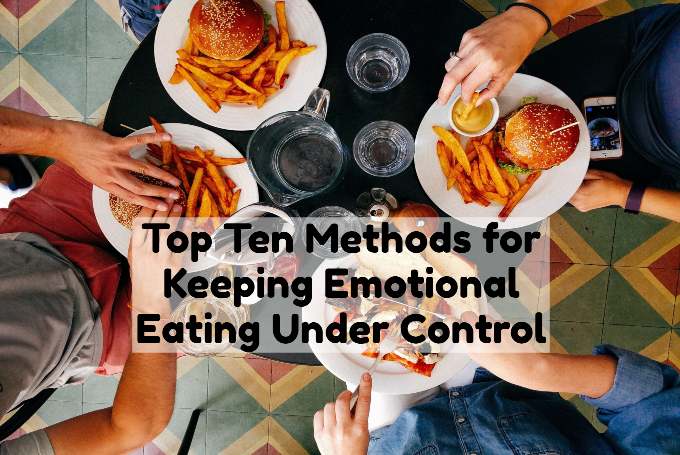
Consuming meals that are heavy in sugar and fat in order to find solace in them is an example of emotional eating, which is also referred to as stress eating. We turn to them in order to tamp down unfavorable feelings such as anxiety, dread, and a sense of isolation that are constantly bugging and harassing us.
This bothersome behavior does not go away on its own, and the majority of the time, we are paralyzed by fear and unable to do anything to stop it. The other part of the problem is that we have no idea how to begin or who to ask for assistance.
Consuming meals high in fat has the effect of lowering the activity level of our body’s threat response system (TRS). This is how emotional eating works. As a result, we start to feel better overall, and our levels of stress and anxiety begin to decrease.
The issue is that our brains quickly develop an addiction to junk food, leading us to believe that this is the only way to obtain any form of relaxation when confronted with stressful conditions. The subsequent remorse or humiliation that we experience as a result of consuming half a dozen doughnuts is extremely detrimental to our sense of self-worth.
This can result in a variety of long-term health problems, including high blood pressure, obesity, and Type 2 diabetes, amongst others. Therefore, in order to help eliminate junk foods from our diets and learn how to regulate emotional eating, we have compiled a list of the top 10 techniques to deal with stress that do not include relying on foods that are high in fat.
Let’s take a look at them now.
Your approach with food and your relationship with it
We’ve been socialized to think of eating as either a reward or a punishment. What should we do when we reach milestones such as graduation, promotion, or marriage? In order to prolong our joyous feelings for as long as possible, we celebrate by eating cake.
What do we do when we have a difficult day at work or when we get into an argument with our significant other? In an effort to dull the discomfort, try eating some ice cream or adding an additional piece or two of pizza to your meal.
Therefore, the first step you need to do in order to gain control over emotional eating is to work on changing your connection with food. This means that you should only eat when you feel the need to do so. Then, pause just when you begin to feel as though you’ve had enough to last a lifetime.
In addition to this, it is essential to return everything to its fundamentals and consider food as fuel. That’s the extent of it! Food is the means through which you supply your body and mind with the vitality and sustenance they require to maintain your health and keep you alive.
Make contact with other people
Never undervalue the importance of maintaining close ties. Put yourself in the company of a group of individuals that you can count on and who make you feel at ease. Then, make it a priority to participate in a new and exciting social activity every week.
Change things up to break the monotony, such as by enrolling in a class together, going rollerblading, or going on a hike. Not only that, but another way to shield yourself from the damaging effects of negative thoughts, worry, and anxiety is to spend quality time with other upbeat and optimistic individuals.
Mindfulness meditation should be practiced
Activities that allow us to relax and center ourselves, such as meditation, include these. They provide us clarity because they enable us to concentrate on what is truly essential and see things from a more comprehensive viewpoint, rather than continuing to become mired in the same loop of negative thinking patterns that we have been engaging in.
Meditation with an awareness of the present moment is often regarded as one of the most effective methods for achieving mental tranquility. According to the findings of several studies, this is one of the most effective treatments for stress eating.
The nicest thing about it is that you can do it virtually anywhere. You only need a calm setting and five minutes to perform some exercises in regulated breathing and focus your attention on a variety of objects in your immediate environment.
You are able to continue doing this even when you are eating. When you eat in a mindful manner, you are able to concentrate on the flavor and sensation of each bite. This results in you eating at a more leisurely pace and feeling more satisfied after each meal, in contrast to when you eat quickly without giving yourself the opportunity to taste each bite of your food.
Don’t keep junk food in your house
Is your pantry full with processed foods and fast food? After that, it’s time to do some housecleaning. Donate them to charitable organizations or the homeless shelter in your community.
Then, replace them with alternatives that are better for your health, such as fresh fruits and vegetables. By doing it this way, you can interrupt the pattern of eating when you’re stressed. You’ll also have time to consider the kinds of foods you go for when you’re feeling down or unhappy since doing so forces you to slow down.
Additionally, you should never go to the grocery store when you are feeling anxious or stressed out.
Get moving
Do you like to exercise by cycling or lifting weights? How about trying out yoga?
Anxiety and a wide variety of other mental and emotional diseases can be alleviated with the participation in virtually any form of physical activity that you enjoy.
You may even walk to work instead of utilizing the elevator or climb the stairs at the building where you work. In the event that this is not possible, I recommend using your lunch break to take a stroll around the neighborhood once or twice.
According to a number of studies, engaging in regular physical activity, particularly when you do it in natural settings, is an excellent way to improve your ability to focus, clear your thoughts, and feel less stressed.
Engage in something you love
It’s possible that knitting or painting were hobbies of yours in the past, but life got in the way. Or maybe you have a stack of books that you’ve been meaning to read but just don’t have the time.
Now is your moment to get back to doing what you love, so take advantage of it!
Create a list of five activities that you take pleasure in doing. Then, choose one and begin doing it right away. Make place in your schedule, even if it’s just for ten minutes, for your favorite pastime activity.
You’ll be in a better position to beat emotional eating if you pack your life with activities and relationships that give you a shot of positive energy and make you feel good.
Consume a nutrient-rich diet
You’ll find that eating nutritious meals that supply your body with the minerals and vitamins it needs to function properly is a lot more enjoyable when you lead a lifestyle that is both healthy and well-balanced. Because of this, you will have a higher opinion of both your looks and your own self-worth. Most significantly, you lower your likelihood of developing long-term health conditions such as obesity and heart disease.
Additionally, better meal choices include both fiber and protein, in addition to other essential nutrients. However, these two in particular keep you feeling full for longer, which means that you will be less likely to have a need for meals that are high in calories if you are feeling stressed.
Adjust the amount of snacks you consume
Fight the temptation to devour a whole bag of chips or a complete box of cookies by restraining yourself. They might perhaps help you feel better for a period of five minutes. Then, once it is through with, you will be left with feelings of guilt and humiliation, in addition to an unsettled stomach. Not to mention the fact that you just eaten an unnecessary amount of calories.
It is not a good idea, according to nutritionists, to cut out the items you enjoy eating the most. But what are you supposed to do when the foods are heavy in both sugar and fat?
They advise that you use a measuring device for the servings. In other words, rather than eating the chips directly from the bag, dump part of them into a low-sided dish.
After you have finished, you should have a few sips of water or another beverage that does not include sugar. The next step is to consciously choose to abstain from going back for seconds.
Keep a record of the food you eat
Keeping a food journal might assist you in determining the causes of the emotional eating that you struggle with. To get started, make some brief notes each time you consume anything different. Include what you were thinking and how you were feeling at the moment as well.
Don’t worry if you find it difficult to jot things down in a notepad the old-fashioned manner since that’s quite normal. There is an abundance of mobile software that may assist you in monitoring not just what you consume during the day but also how you feel emotionally.
Self-affirmations should be practiced
The fact that we are unaware of our value is one of the factors that contributes to our tendency to engage in the practice of emotional eating. We have no self-assurance left, and we rely on food to make us feel better about ourselves.
What we should be doing, instead, is building our self-esteem. The more we practice positive self-talk and self-affirmation, the less we become dependent on stress eating.
Every morning, recite any one of the following affirmations—or all of them. You’ll get into the habit of looking for the bright side in every bad idea and circumstance rather quickly, and it will become second nature to you.
- Learning opportunities present themselves on a daily basis.
- I’m lovely.
- I’m going to focus my efforts on the things that are most important to me.
- I am the one who is in charge of bringing about my own joy.
- I have faith in my hopes and ambitions for the future.
- I do not need anything else.

Embed This Image On Your Site (copy code below):